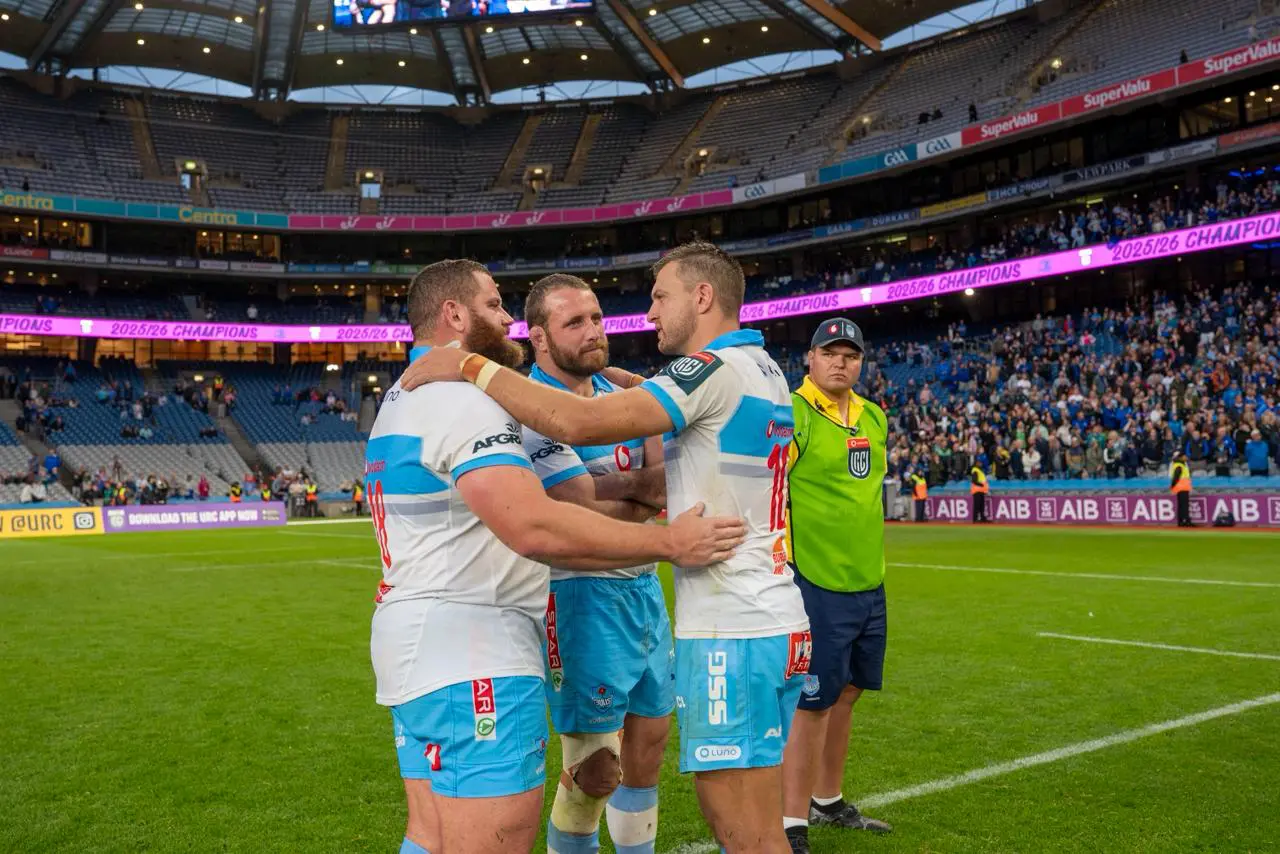

In the end, the scoreline told its own blunt story: Leinster 36 Vodacom Bulls 7.
A Vodacom United Rugby Championship Grand Final that many had hoped would be a contest instead became an exercise in precision versus fragility, in which small moments accumulated into an insurmountable gulf.
Coach Johan Ackerman stood in the aftermath, not searching for excuses but tracing the fault lines. His words painted a picture less of a team overwhelmed physically than one undone by timing, accuracy and the ruthless efficiency of their opponents.
Grand finals are often decided in the margins, but here the margins opened up almost immediately. The Vodacom Bulls, Ackerman suggested, were “out of it quite early on the scoreboard,” not because they lacked intent but because they surrendered control before they had established any foothold.
 The opening sequence encapsulated the night. Leinster knocked on, an invitation to settle, to reset, to play territory and pressure. Instead, the Vodacom Bulls tried to play out, lost possession, and within moments Leinster scored. It was a pivotal lapse: not simply an error, but an error that spoke to decision-making under pressure.
From there came the compounding effect: yellow cards, misfiring lineouts, scrappy execution. Each moment on its own might have been survivable. Together, they denied the Vodacom Bulls the one thing any challenger needs in Dublin: a platform.
The champions, by contrast, required no second invitation.
Ackerman’s assessment of Leinster was unambiguous: “For every mistake we made, they punished us.”
That clinical edge is what separates contenders from champions, and on this stage Leinster were unrelenting.
They dominated the aerial contests, particularly in the second half, winning the 50-50s that often swing momentum. They converted pressure into points with ruthless consistency. Where the Vodacom Bulls needed multiple phases to threaten, Leinster needed only moments.
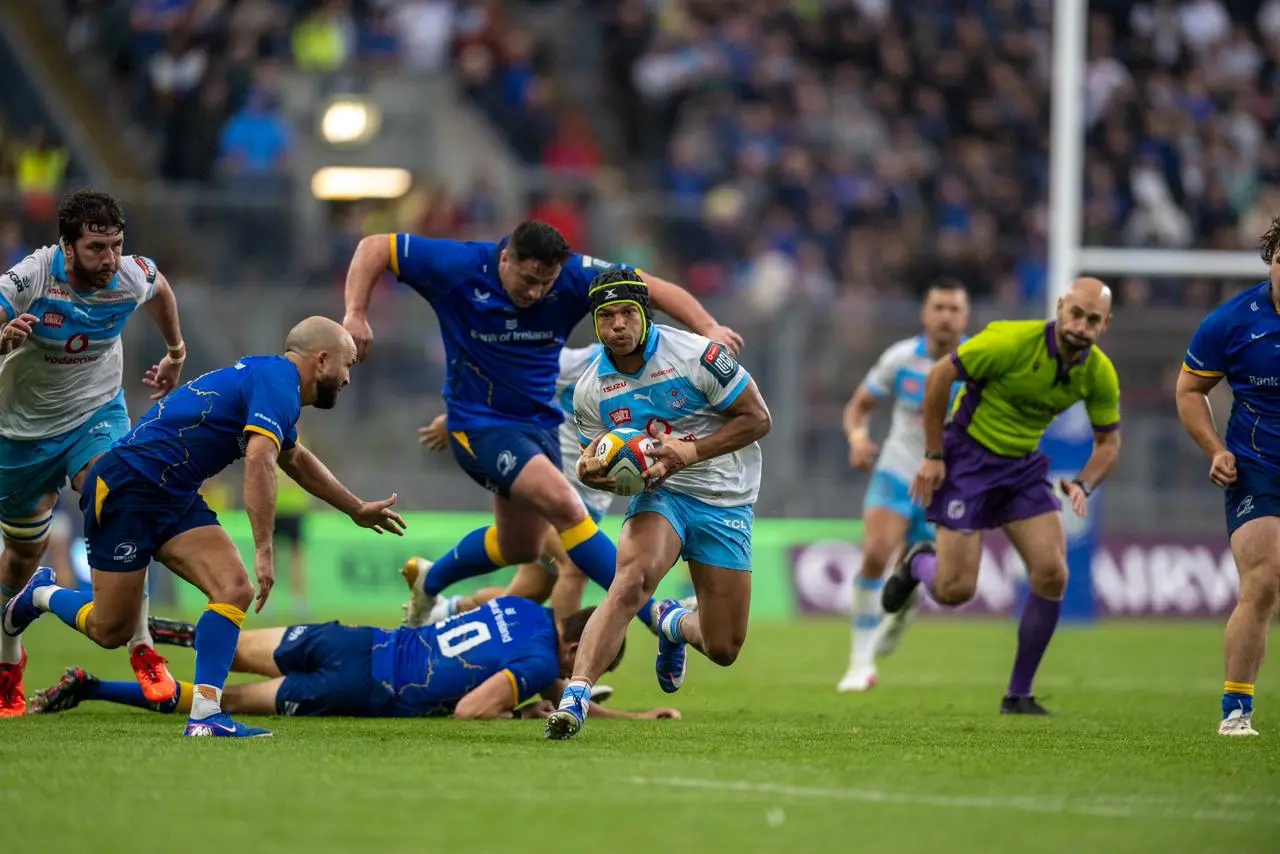 It is one thing to face a powerful opponent; it is another to face one that capitalises on every inch you concede. In that sense, the scoreline was less an aberration than the logical outcome of two teams operating at different levels of precision.
Perhaps the most revealing aspect of Ackerman’s reflection was what he did not criticise. There was no questioning of effort. “The players showed a lot of fight,” he insisted, pointing to dogged goal-line defence even as Leinster pressed.
That distinction matters. The Vodacom Bulls were not passive; they were reactive. They defended hard but could not impose themselves offensively because their accuracy deserted them at key moments.
Lineouts, a traditional strength, became unreliable. Ruck speed faltered. Ball protection was loose. In a final, Ackerman noted, “small margins” become decisive, and the Vodacom Bulls fell short of the accuracy they themselves knew was required.
Even their strategic gambles reflected that urgency. Turning down shots at goal to chase tries was a calculated risk. At 22-0, three points would have been symbolic at best. But without execution, even the right decisions dissolve into hindsight.
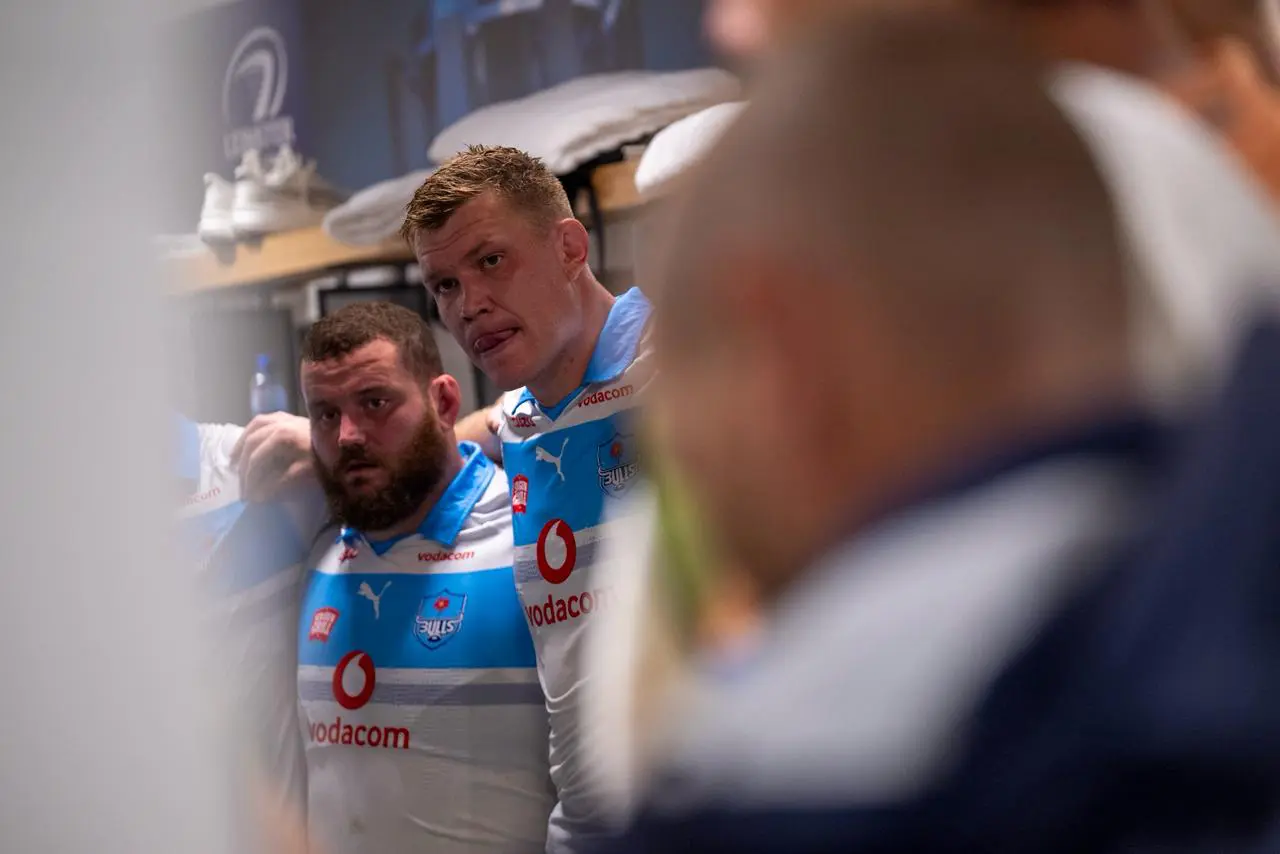 There was, too, the unspoken weight of history. This was another final lost by a Vodacom Bulls side that has hovered near the summit without claiming it. Ackerman resisted framing it as a burden, insisting the players had used past defeats as motivation rather than pressure.
And yet, he acknowledged the possibility that the early scoreboard deficit might have stirred doubt; the quiet, creeping thought of “is it another one?” It is not a narrative a coach can easily confirm, but in high-stakes matches, psychology often tracks the scoreboard.
At 22-0 down at halftime, the Vodacom Bulls still believed. The plan was simple enough: two early tries in the second half, and the contest might yet tilt. But belief without momentum is fragile, and momentum requires execution, something that never came.
To understand this defeat fully, it must be set against the broader demands of the Vodacom URC. Ackerman alluded to a season defined by constant travel, shifting squads, and intermittent availability of Springboks. The Vodacom Bulls, like all South African sides, operate across hemispheres and calendars, stitching together continuity where they can.
This final, then, was not simply the product of one week but of a campaign shaped by logistical complexity. Players come and go; combinations evolve late; cohesion is hard-won and easily lost.
And yet, the coach was careful not to lean on these factors. Leinster face their own disruptions, he noted, and still produced a performance of clarity and cohesion.
In the clearest terms, the Bulls’ defeat can be traced to four interlocking failures: Game management in key moments, set-piece inconsistency, lapses in discipline, and execution under pressure.
Against most teams, such flaws might leave a match in the balance. Against Leinster, they proved fatal.
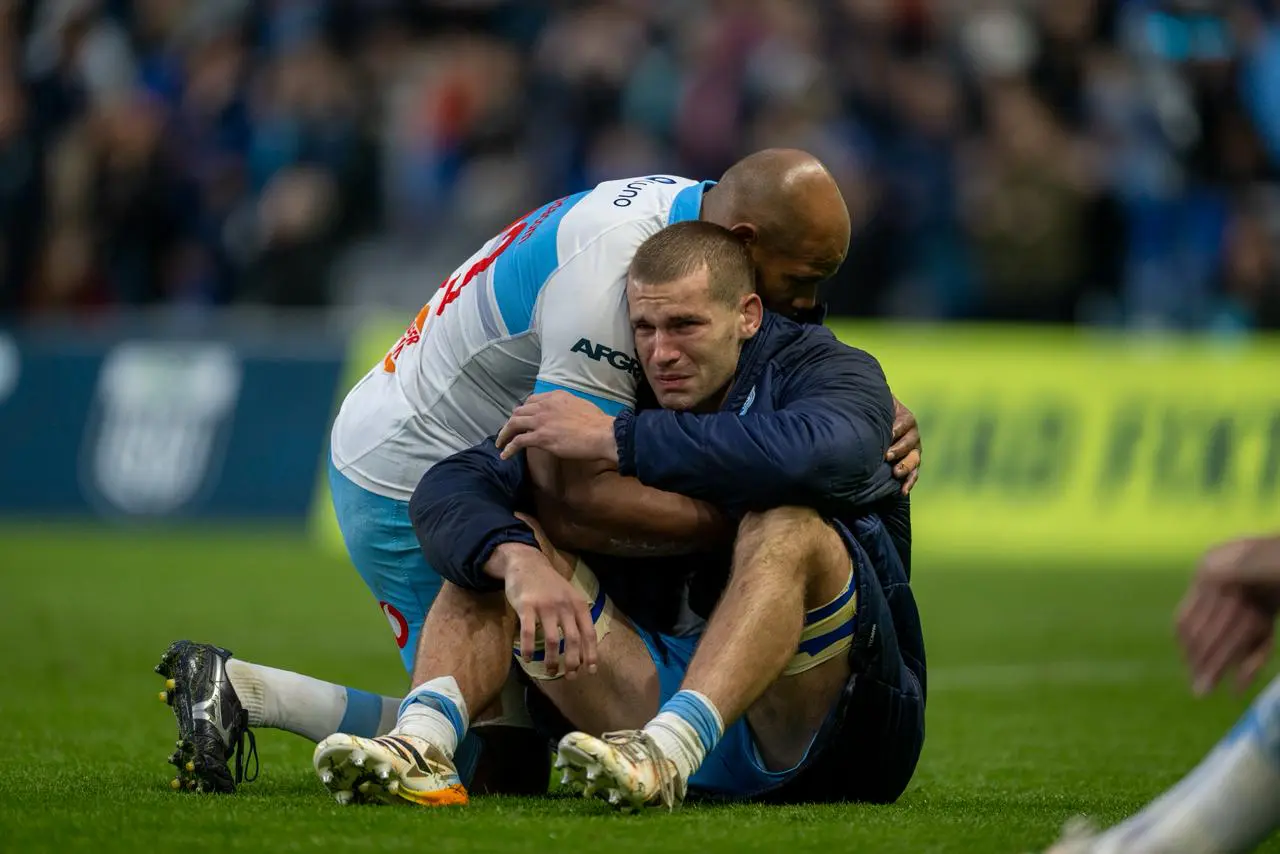
In the dressing room, Ackerman described “sore hearts.”
That is inevitable after a final lost so comprehensively. Yet he also spoke of pride, of a group that had rallied through the season and reached another decider.
The challenge now is not just technical but emotional: to ensure that repeated near-misses do not calcify into doubt, and that lessons, about accuracy, composure, and decision-making, translate into growth.
Because finals, as this one demonstrated, are rarely lost in grand gestures. They slip away in the unnoticed seconds: a loose carry, a missed throw, a choice to play when control is required. Leinster mastered those seconds. The Vodacom Bulls did not.
And on a miserable night in Dublin, that was the difference between contesting a title and watching it disappear.